





Skip to content
Doç. Dr. Serkan SürücüAppointment

Blog

Blog

Latest content

Every condition, injury and procedure page, listed with the most recently updated first.

93 pages

  1. HipUpdated:

    Hamstring Injury Treatment in Istanbul | Dr. Sürücü

    A hamstring injury is a strain, partial tear or complete rupture of the hamstring muscle group at the back of the thigh, caused by loading the muscle beyond what it can tolerate. It is common in sports demanding sprinting, sudden acceleration, changes of direction and abrupt braking, and usually happens as the muscle lengthens rapidly while generating high force. Most hamstring injuries heal without surgery.

    Read
  2. KneeUpdated:

    Knee Arthroscopy in Istanbul: Surgery and Recovery

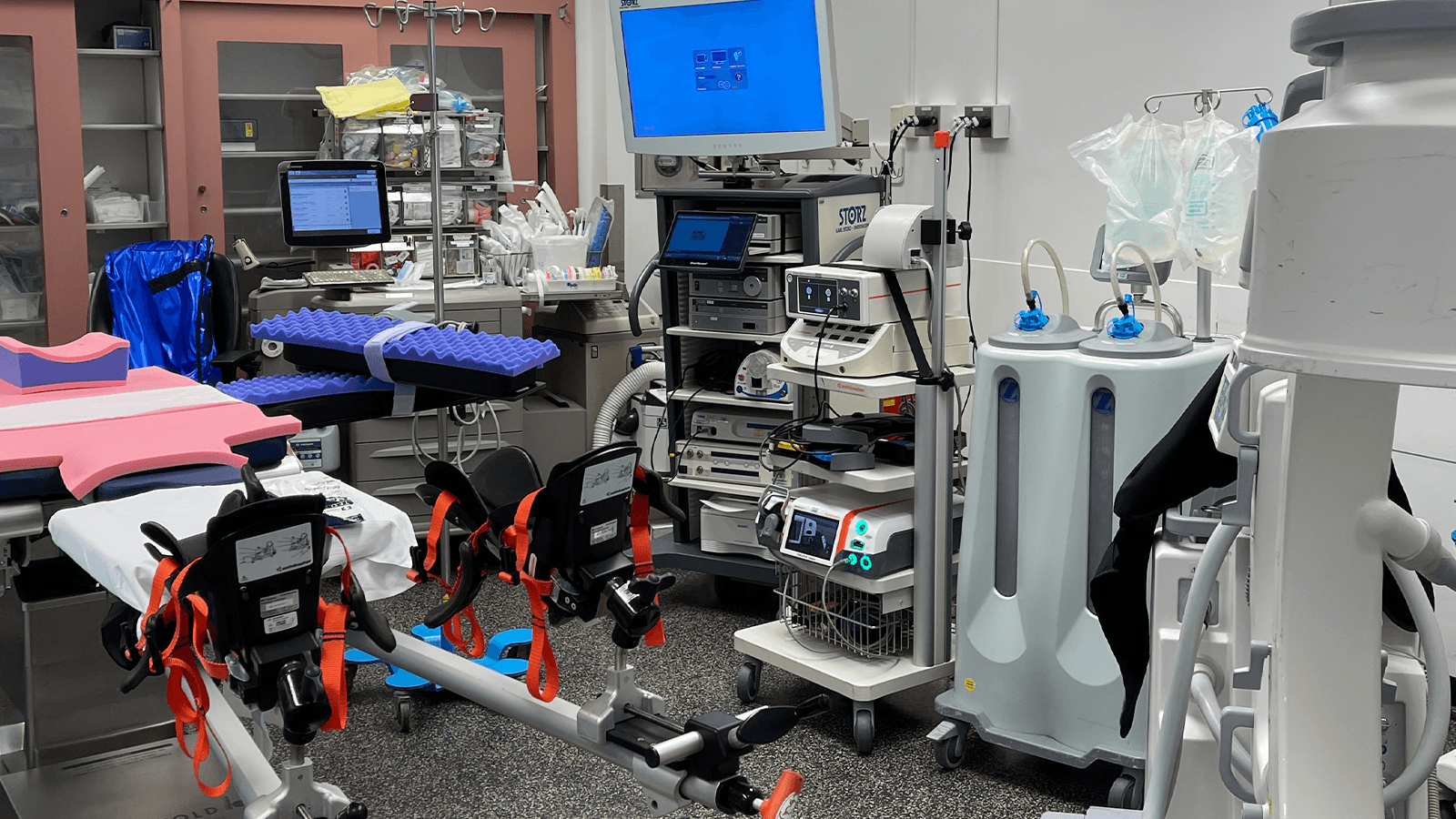
    Knee arthroscopy is keyhole knee surgery in which the inside of the joint is inspected through a slim camera passed through incisions only a few millimetres long and, where necessary, repaired in the same session with fine instruments. The cartilage, menisci, cruciate ligaments and joint lining can be assessed under magnification. Sparing surrounding soft tissue generally allows an earlier start to movement than open surgery.

    Read
  3. KneeUpdated:

    Knee Ligament Surgery in Istanbul | Dr. Sürücü

    Knee ligament surgery is the collective name for operations that correct instability after a tear of one or more of the ligaments stabilising the knee: the anterior and posterior cruciate ligaments, the medial collateral ligament, and the lateral collateral ligament with the posterolateral corner. These structures limit how far the knee slides forwards and backwards, opens sideways and rotates. Surgery aims to restore that control.

    Read
  4. Updated:

    Knee Cartilage Restoration in Istanbul | Dr. Sürücü

    Knee cartilage restoration is the collective name for surgical methods used to fill a defect in the joint surface, reduce pain and swelling and improve how the knee tolerates load. Articular cartilage caps the ends of the bones, spreading load and letting the surfaces glide with very little friction. A contained cartilage defect and widespread osteoarthritis are different problems requiring different approaches.

    Read
  5. KneeUpdated:

    Knee Cartilage Injury Treatment in Istanbul | Dr. Sürücü

    A knee cartilage injury is damage, softening, blistering or detachment of the articular cartilage covering the joint surfaces of the thigh bone, shin bone and kneecap. This smooth, slippery tissue spreads load, reduces friction to almost nothing and protects the bone underneath. Once damaged, its capacity to repair itself is limited, which is why even a small lesion can lead over time to pain, swelling and mechanical symptoms.

    Read
  6. KneeUpdated:

    Knee Osteoarthritis Treatment in Istanbul | Dr. Sürücü

    Knee osteoarthritis is a progressive joint disease in which cartilage covering the joint surfaces gradually thins and the joint as a whole becomes affected. Hardening and cyst formation in the underlying bone, bony spurs at the joint margins, inflammation of the joint lining and weakness in surrounding muscles all progress together. It is not reversible, but with the right treatment plan pain can be reduced and function preserved.

    Read
  7. KneeUpdated:

    Knee Osteotomy in Istanbul: Surgery and Recovery

    Knee osteotomy is a joint-preserving operation in which a controlled cut in the shin bone or thigh bone corrects the alignment of the leg. The joint surface itself is not replaced; what changes is the path body weight takes through the knee, shifting load away from the worn compartment onto the side where cartilage is better preserved. The aim is to reduce pain, slow further wear and postpone joint replacement.

    Read
  8. KneeUpdated:

    Knee Ligament Tear Treatment in Istanbul | Dr. Sürücü

    A knee ligament tear occurs when one of the four main ligaments connecting the thigh bone, shin bone and kneecap is stretched beyond what it can tolerate. With greater force this becomes a partial tear and, at the extreme, a complete tear. Ligament tissue has a limited blood supply, so healing capacity differs considerably between ligaments: the medial collateral often heals on its own, while the cruciates usually do not.

    Read
  9. Biological TreatmentsUpdated:

    Stem Cell Treatment for Knees in Istanbul | Dr. Sürücü

    Stem cell treatment for the knee is an umbrella label for injecting a cell-containing preparation into the joint, not the name of one standardised procedure. The products offered under this heading differ substantially in their source tissue, in how they are processed and in what they actually contain, so the specific preparation being proposed matters far more than the general term.

    Read
  10. ShoulderUpdated:

    Frozen Shoulder Treatment in Istanbul | Dr. Sürücü

    Frozen shoulder, known medically as adhesive capsulitis, is a painful loss of shoulder movement caused by inflammation, thickening and contracture of the capsule surrounding the joint. As the capsule tightens, the space inside the joint shrinks. What separates it from most other shoulder problems is that both active and passive movement are lost — the arm stops at the same point even when someone else lifts it.

    Read
  11. KneeUpdated:

    Joint Cartilage Treatment in Istanbul | Dr. Sürücü

    Joint cartilage treatment covers the methods used to address damage to the articular cartilage capping the bones inside a joint. Only a few millimetres thick, this tissue keeps friction extremely low and spreads load so the bone underneath is protected. Cartilage has a very limited capacity to repair itself because it contains no blood vessels, nerves or lymphatic drainage, and its cells are fed by diffusion from joint fluid.

    Read
  12. ShoulderUpdated:

    Joint Preservation & Shoulder Cartilage Restoration

    Joint preservation is a treatment strategy aimed at keeping a patient's own joint surface working for as long as possible instead of replacing it. The goals are to control pain, distribute load more evenly, and slow the progression of cartilage damage so replacement can be delayed or avoided. It is not a single operation but a stepwise plan including weight and load management, muscle strengthening and selected procedures.

    Read
  13. KneeUpdated:

    Prosthetic Joint Infection: Symptoms and Treatment

    A joint prosthesis infection (periprosthetic joint infection) is an infection of the implant and surrounding tissues in an artificial joint such as a knee or hip replacement. It occurs in only a small proportion of patients but is a complication that must be taken seriously. It can develop in the superficial wound or in the deep tissue around the implant, and early and late presentations are managed differently.

    Read
  14. HipUpdated:

    Adolescent Hip Dysplasia Treatment in Istanbul | Dr. Sürücü

    In adolescent hip dysplasia the acetabulum is shallow and does not cover the femoral head well, so load concentrates on a small area and the cartilage and labrum at the joint rim are overstressed. It is most often developmental dysplasia of the hip that went unrecognised in infancy and only becomes symptomatic later. It can remain silent for years, with groin pain and fatigue as first signs.

    Read
  15. HipUpdated:

    Femoroacetabular Impingement (FAI) Treatment | Dr. Sürücü

    Femoroacetabular impingement (FAI) is abnormal contact between the femoral head and the rim of the acetabulum during movement, caused by small differences in the shape of the bones forming the hip. This contact pinches the labrum and cartilage at the joint rim, particularly in movements that flex and internally rotate the hip. Repeated impingement can lead to a labral tear and cartilage damage.

    Read
  16. HipUpdated:

    Slipped Capital Femoral Epiphysis (SCFE) Treatment

    Slipped capital femoral epiphysis (SCFE) is a hip condition of growing adolescents in which the ball-shaped epiphysis at the head of the femur slips backwards and downwards along the still-open growth plate. It causes pain, stiffness and a limp and usually develops gradually. Pain may be felt only in the knee, which can delay diagnosis, so early recognition is very important.

    Read
  17. HipUpdated:

    Femoral Shaft Fracture (Thigh Bone) Treatment

    A femoral shaft fracture is a break along the long, straight section of the thigh bone between the hip and the knee. Because this bone carries much of the body's weight, standing and walking usually become impossible when it breaks. As the femur is a strong bone, fracturing it in a young, healthy person usually takes a high-energy injury, and these are serious injuries.

    Read
  18. ElbowUpdated:

    Golfer's Elbow (Medial Epicondylitis) Treatment

    Golfer's elbow, known medically as medial epicondylitis, is damage to the wrist and finger flexor tendons where they attach to the bony bump on the inner side of the elbow. Despite its name it is a degenerative tendon problem rather than classic inflammation, and most people who have it do not play golf. It is the inner-elbow counterpart of tennis elbow.

    Read
  19. KneeUpdated:

    MCL Reconstruction Surgery for a Torn Knee Ligament

    Medial collateral ligament (MCL) reconstruction restores the function of the ligament with a graft in injuries that exceed its healing capacity or leave lasting valgus instability. The MCL runs from the femur to the inner side of the tibia and stabilises the knee against opening inwards. Because most MCL injuries heal without surgery, reconstruction is reserved for selected patients.

    Read
  20. KneeUpdated:

    MCL Injury: Symptoms, Grades and Treatment

    A medial collateral ligament (MCL) injury occurs when the ligament running from the femur to the inner side of the tibia, which stabilises the knee against opening inwards, is stretched beyond its normal limit. The MCL is one of the most commonly injured knee ligaments. Because it has a good blood supply, most injuries heal without surgery; severe tears and combined ligament injuries are managed differently.

    Read
  21. HipUpdated:

    Iliotibial Band (IT Band) Syndrome Treatment

    Iliotibial band (IT band) syndrome is an overuse injury caused by repeated friction of the thick band of fascia that runs from the hip down the outer thigh over the bony prominence on the outer side of the knee. It produces pain on the outer side of the knee. It is most common in runners and cyclists and is linked to activities requiring repeated bending and straightening of the knee.

    Read
  22. HipUpdated:

    Hip Sprain and Strain: Symptoms and Treatment

    A hip sprain is a soft-tissue injury that occurs when the muscles and tendons supporting the hip are stretched beyond their elastic limit or torn. Although commonly called a sprain, the problem is usually a muscle-tendon strain. The hip flexors, groin (adductor) muscles and lower abdominal muscles are most often affected. Severity ranges from mild to severe, and most hip sprains heal without surgery.

    Read
  23. HipUpdated:

    Hip Bursitis: Symptoms, Diagnosis and Treatment

    Hip bursitis is inflammation or irritation of one of the small fluid-filled sacs that cushion bone from soft tissue and reduce friction during movement. Two bursae stand out at the hip: the bursa over the greater trochanter on the outer side of the femur and the iliopsoas bursa at the front of the groin. Trochanteric bursitis causes outer hip pain, whereas iliopsoas bursitis causes groin pain.

    Read
  24. HipUpdated:

    Hip Dislocation: Symptoms, Diagnosis and Treatment

    A hip dislocation is the forceful separation of the femoral head from its socket in the pelvis. Because the hip is a stable joint supported by strong ligaments and muscles, dislocation usually takes a high-energy injury. It is a serious injury requiring emergency treatment: a delay in reduction increases the risk of disrupting the blood supply to the femoral head and of nerve injury.

    Read
  25. HipUpdated:

    Hip Cracking and Snapping Hip: Causes and Treatment

    Hip cracking, medically called snapping hip, is a snapping or catching sensation felt or heard in the hip when walking, getting up from a chair or moving the leg. It is usually caused by muscles and tendons sliding over bony prominences at the hip and is generally painless and harmless. Assessment is warranted when cracking is accompanied by pain, catching or a sense of giving way.

    Read
  26. HipUpdated:

    Hip Arthritis: Symptoms, Diagnosis and Treatment

    Hip arthritis refers to a group of conditions in which the cartilage of the hip joint wears down or becomes inflamed over time, causing pain, stiffness and restricted movement. When the cartilage covering the surfaces wears away, bone works closer to bone and symptoms appear. The most common type is osteoarthritis, which develops through mechanical wear; in inflammatory arthritis the problem arises from the immune system.

    Read
  27. HipUpdated:

    Hip Fracture: Types, Symptoms and Treatment

    A hip fracture is a break in the upper part of the thigh bone. It is most common in older people whose bones have been weakened by osteoporosis, after a simple fall; in younger people it takes a high-energy injury. It is very painful, prevents standing and walking and needs urgent assessment. Early treatment and getting moving again help prevent complications such as clots and chest infection.

    Read
  28. HipUpdated:

    Hip Osteonecrosis (Avascular Necrosis) Treatment

    Hip osteonecrosis is a progressive condition in which the bone tissue of the femoral head is damaged because its blood supply is disrupted. Without adequate blood flow the bone cells cannot stay healthy; over time the femoral head weakens, collapses and the joint surface breaks down, leading to hip arthritis. Also called avascular necrosis, it affects both hips in a proportion of patients.

    Read
  29. Updated:

    Fracture After Hip Replacement (Periprosthetic)

    A periprosthetic fracture is a break in the bone around or near an orthopaedic implant. This page covers fractures developing after a total hip replacement, around the femur and, less commonly, the acetabulum. It is uncommon but a serious complication that usually requires surgery. A fracture can occur during surgery, but most happen years afterwards following a fall.

    Read
  30. ShoulderUpdated:

    Capsulolabral Reconstruction (Bankart Repair)

    Capsulolabral reconstruction restores front-side shoulder stability by reattaching the labrum and its capsule and ligaments to the rim of the socket and tightening the stretched capsule. When the shoulder dislocates anteriorly these structures can be pulled off the bone, an injury called a Bankart lesion, and repeated dislocations reinforce the resulting looseness.

    Read
  31. ShoulderUpdated:

    Bone Graft Surgery for Shoulder Instability

    Bone graft surgery restores the bony support of the shoulder in instability with significant bone loss, replacing the missing bone with a graft taken from the patient (autograft) or from a tissue bank (allograft). The foundation of shoulder stability is the bone structure of the humeral head and glenoid; when that foundation is compromised, soft-tissue repair alone may not be enough.

    Read
  32. ShoulderUpdated:

    Clavicle Fracture (Broken Collarbone) Treatment

    A clavicle fracture is a break in the S-shaped collarbone that connects the breastbone to the shoulder blade. It follows a blow to the shoulder girdle or a fall onto an outstretched hand or shoulder. It is one of the common fractures in adults and mostly heals without surgery. The bone is an important support point between the arm and trunk and partly protects the vessels and nerves beneath it.

    Read
  33. ShoulderUpdated:

    Clavicle Fracture Surgery and Recovery Process

    Clavicle fracture surgery brings the fracture fragments into alignment and fixes them so the collarbone heals in the correct position. Because the large majority of clavicle fractures heal without surgery, an operation is reserved for selected patients — significant shortening or displacement, an open fracture, threatened skin, or associated vessel and nerve problems are the main reasons to consider it.

    Read
  34. ShoulderUpdated:

    Latarjet Procedure: Open Shoulder Stabilization

    The Latarjet procedure is an open shoulder stabilization operation that restores stability by transferring part of the coracoid process, with its attached muscles, to the front rim of the glenoid. Repeated anterior dislocations can cause bone loss at the front of the socket over time, and in that setting soft-tissue repair alone may not be sufficient.

    Read
  35. KneeUpdated:

    Meniscus Transplant: Candidates and Recovery

    A meniscus transplant (meniscal allograft transplantation) places a suitably sized donor meniscus from a tissue bank in place of a meniscus that has lost its function or was largely removed. Losing a large part of the meniscus increases load on the joint cartilage and, over time, sets the stage for knee arthritis; the transplant aims to redistribute that load.

    Read
  36. KneeUpdated:

    Meniscus Insufficiency: Symptoms and Treatment

    Meniscus insufficiency is when the meniscus can no longer spread load, absorb impact and add stability, because a large part of it has torn or was previously removed. When the meniscus loses its function, load concentrates on a small area and the joint cartilage wears faster over time, meaning pain, swelling and a rising risk of arthritis in that compartment.

    Read
  37. ShoulderUpdated:

    Shoulder Arthritis: Symptoms and Treatment Options

    Shoulder arthritis is a joint condition in which the cartilage of the shoulder wears down or becomes inflamed over time, causing pain, stiffness and restricted movement. Cartilage covers the ends of the bones forming the joint and allows pain-free movement; when it wears away, the bone surfaces work closer together and symptoms appear. It is most often seen at an older age.

    Read
  38. ShoulderUpdated:

    Shoulder Arthroscopy: Keyhole Shoulder Surgery

    Shoulder arthroscopy is a minimally invasive surgical technique in which a camera and thin instruments are inserted into the shoulder joint through small incisions. Guided by the camera image, the structures inside the joint are assessed and suitable problems repaired in the same session. Compared with open surgery it involves smaller incisions, less damage to surrounding tissue and usually less postoperative pain.

    Read
  39. ShoulderUpdated:

    Shoulder Dislocation: Symptoms and Treatment

    A shoulder dislocation occurs when the ball (humeral head) and socket (glenoid) of the shoulder joint separate, creating instability. Complete separation is called a dislocation and partial slipping a subluxation. Anterior dislocation is the most common pattern. Because the shoulder is the most mobile joint in the body, that same mobility also makes it susceptible to injury.

    Read
  40. ShoulderUpdated:

    Biceps Tendon Injury Treatment in Istanbul | Dr. Sürücü

    A biceps tendon injury affects the tendons of the biceps brachii, which crosses both the shoulder and the elbow. At the shoulder the long and short heads attach to the glenoid rim and the coracoid; at the elbow a single distal tendon inserts on the radial tuberosity. The injury is a spectrum, from frayed fibres to complete detachment, and an acute distal rupture needs prompt assessment.

    Read
  41. ShoulderUpdated:

    Biceps Tenodesis in Istanbul: Surgery and Recovery

    Biceps tenodesis releases the long head of the biceps tendon from its origin inside the shoulder joint and fixes it to the upper arm bone at a new point. The aim is to take the intra-articular part of the tendon — a common source of pain — out of the loaded system while preserving the muscle's length-tension relationship. It differs from tenotomy, in which the tendon is released and not reattached.

    Read
  42. KneeUpdated:

    Bow Legs and Knock Knees Treatment in Istanbul

    A crooked leg is a deviation of the mechanical axis of the lower limb — a malalignment of the knee. In varus (bow-leg) the load shifts to the inner compartment, and in valgus (knock-knee) to the outer compartment. Small variations are common and cause no symptoms in most people; what matters is whether the deviation overloads one compartment. This page covers the adult knee, not childhood physiological bowing.

    Read
  43. KneeUpdated:

    Multiligament Knee Reconstruction in Istanbul

    Multiple ligament knee reconstruction rebuilds stability and function when two or more of the knee's four main ligaments are damaged at the same time. Such injuries often follow a knee dislocation and, unlike a single-ligament tear, disturb the balance of the whole joint. Assessment of blood vessels and nerves takes priority, and surgery may be staged or performed in a single procedure.

    Read
  44. KneeUpdated:

    Multiple Ligament Knee Injury Treatment in Istanbul

    A multiple ligament knee injury damages two or more of the knee's two cruciate and two collateral ligaments at the same time. It is uncommon but serious and often accompanies a knee dislocation. Because blood vessel and nerve injury can occur alongside it — the popliteal artery and peroneal nerve are particularly at risk — urgent assessment is required. Treatment depends on the pattern of ligaments involved.

    Read
  45. Updated:

    Deep Vein Thrombosis (DVT): Symptoms and Treatment

    Deep vein thrombosis (DVT) is the formation of a blood clot in one of the body's deep veins, most often in the calf, thigh or pelvis. It matters in orthopaedics because major joint surgery, lower-limb fractures and prolonged immobility markedly increase the risk. A fragment of clot may break off and travel to the lung, so DVT is taken seriously both for its local symptoms and for life-threatening pulmonary embolism.

    Read
  46. KneeUpdated:

    LCL Repair and PLC Reconstruction in Istanbul

    Lateral collateral ligament repair and posterolateral corner reconstruction restore stability on the outer side of the knee. The LCL does not act alone: with the posterolateral capsule, popliteofibular ligament and popliteus tendon it forms the posterolateral corner, which controls both sideways opening and external rotation. An unrecognised posterolateral corner injury can cause a cruciate ligament graft to fail.

    Read
  47. ElbowUpdated:

    Elbow Ligament Injury Treatment in Istanbul

    Elbow ligament injuries are the overloading, stretching or tearing of the ligaments supporting the joint from the sides. The ulnar collateral ligament on the inner side resists valgus force and is strained especially during overhead throwing. The lateral collateral ligament complex prevents the joint rotating and slipping, and injuries there often relate to an elbow dislocation. Which ligament is involved shapes treatment directly.

    Read
  48. ElbowUpdated:

    Elbow Fracture and Dislocation Treatment in Istanbul

    An elbow fracture is a break in the humerus, ulna or radius, while an elbow dislocation is separation of the joint surfaces from their normal position. The two can occur together, with bone fragments chipping off the joint margins during a dislocation. The elbow is one of the large joints that dislocates most often after the shoulder, and which bone, ligament and joint surface is involved shapes treatment directly.

    Read
  49. ElbowUpdated:

    Elbow Osteoarthritis Treatment in Istanbul | Dr. Sürücü

    Elbow osteoarthritis is a degenerative joint disease in which cartilage covering the joint surfaces thins and wears away, bony spurs form at the joint margins, and the capsule thickens and stiffens. Because the elbow is not weight-bearing, it is affected less often than the hip or knee. It causes pain at the ends of straightening and bending, with a steadily increasing loss of motion.

    Read
  50. Biological TreatmentsUpdated:

    Stem Cell Joint Injections: Procedure and Evidence

    A stem cell joint injection is the delivery of a cell-containing preparation into or around a joint in order to influence pain and function. The phrase is an umbrella label rather than the name of one standardized product. Preparations described under this heading differ in their source tissue, in how they are processed and in what they actually contain, so the specific preparation matters more than the general term.

    Read
  51. KneeUpdated:

    Meniscus Tear: Symptoms and Treatment | Dr. Sürücü

    A meniscus tear is a split or disruption in the crescent-shaped fibrocartilage that spreads load and absorbs shock inside the knee. Tears may be traumatic after a twisting injury or degenerative in worn tissue, causing pain, swelling, catching or locking. Treatment ranges from rehabilitation to arthroscopic repair, guided by tear pattern, location and symptoms rather than the MRI report alone.

    Read
  52. KneeUpdated:

    Meniscus Surgery in Turkey: Recovery | Dr. Sürücü

    Meniscus surgery repairs a torn meniscus or reshapes an irreparable unstable fragment, usually arthroscopically through small portals. The aim is to resolve a painful mechanical problem while preserving as much functional meniscus as possible. Not every tear needs an operation: locking, a displaced bucket-handle tear, or pain that persists despite appropriate rehabilitation are the usual reasons to consider surgery.

    Read
  53. KneeUpdated:

    ACL Tear Treatment in Istanbul | Dr. Serkan Sürücü

    An anterior cruciate ligament (ACL) tear damages some or all fibres of the ligament that limits forward movement and rotation of the shinbone. It usually occurs during sudden changes of direction, landing or contact, causing giving way, swelling and instability. Injury grade alone does not decide treatment: knee stability, associated damage, activity goals and rehabilitation commitment all matter.

    Read
  54. KneeUpdated:

    ACL Reconstruction in Istanbul | Dr. Serkan Sürücü

    ACL reconstruction replaces a torn anterior cruciate ligament with a tendon graft passed through bone tunnels and fixed where the native ligament attached. It aims to restore functional stability when an ACL-deficient knee cannot meet work, sport or everyday demands. It is different from stitching the torn ends together, and it is not automatic treatment for every ACL tear.

    Read
  55. ShoulderUpdated:

    Rotator Cuff Tear Treatment in Istanbul | Dr. Sürücü

    A rotator cuff tear occurs when fibres of one or more of the four cuff tendons split or detach from their attachment on the humerus. A partial-thickness tear affects part of the tendon depth; a full-thickness tear creates a defect through it. Pain, weakness and difficulty lifting the arm are typical. Tear size, retraction and muscle quality guide treatment more than an MRI label.

    Read
  56. ShoulderUpdated:

    AC Joint Repair in Istanbul: Surgery and Recovery

    Acromioclavicular (AC) joint repair restores alignment and stability after the ligaments linking the collarbone to the shoulder blade are disrupted, usually by a direct fall onto the shoulder. An acute injury may be stabilised while its own ligaments heal, whereas a chronic separation may need ligament reconstruction with graft tissue. Many AC joint injuries are managed without surgery.

    Read
  57. ShoulderUpdated:

    Revision AC Joint Surgery in Istanbul | Dr. Sürücü

    Revision AC joint repair is a second operation considered when a previous acromioclavicular procedure has not delivered acceptable stability or function, or has developed a complication. Planning identifies why symptoms persist and addresses alignment, vertical and horizontal stability, fixation, bone and soft-tissue problems together, accounting for scar tissue, previous implants and existing bone tunnels.

    Read
  58. ShoulderUpdated:

    AC Joint Injury: Symptoms, Grades and Treatment

    An acromioclavicular (AC) joint injury, often called a shoulder separation, sprains or tears the restraints linking the collarbone to the shoulder blade, usually after a direct fall onto the shoulder. It is not the same as a shoulder dislocation, in which the upper-arm bone leaves the socket. The Rockwood classification describes ligament damage and displacement, and many injuries are treated without surgery.

    Read
  59. ShoulderUpdated:

    Anatomic Shoulder Replacement in Istanbul | Dr. Sürücü

    Despite the legacy page title, the operation described here is anatomic shoulder replacement, also called anatomic total shoulder arthroplasty. It replaces the damaged humeral head with a metal component and resurfaces the glenoid socket with a medical-grade plastic component while preserving the normal ball-and-socket orientation. It is not a stem-cell or cartilage-regeneration procedure and depends on a functioning rotator cuff.

    Read
  60. KneeUpdated:

    PCL Injury Treatment in Istanbul | Dr. Serkan Sürücü

    A posterior cruciate ligament (PCL) injury stretches, partially tears or completely disrupts the ligament that limits backward movement of the shinbone beneath the thighbone. PCL injuries may be isolated, but high-energy trauma can also damage other ligaments, the posterolateral corner, menisci, cartilage, nerves or blood vessels. Recognising whether the injury is isolated or combined shapes both assessment and treatment.

    Read
  61. KneeUpdated:

    PCL Repair or Reconstruction in Istanbul | Dr. Sürücü

    Posterior cruciate ligament surgery restores control of backward tibial movement when a damaged PCL cannot meet the knee's functional demands. It may fix a bony avulsion, repair selected recently detached tissue, or reconstruct the ligament with a tendon graft — different procedures for different injury patterns. Surgery is not automatic: many isolated PCL injuries begin with bracing and rehabilitation.

    Read
  62. Biological TreatmentsUpdated:

    Stem Cell Therapy for Arthritis in Istanbul | Dr. Sürücü

    “Stem cell therapy” is an umbrella term covering several different cellular or tissue-based preparations rather than one standardized injection. Bone marrow aspirate concentrate, fat-derived preparations, cultured cells and donor-derived products differ in source, processing, composition and oversight. A product carrying this label should not be assumed to contain a defined number of stem cells or to share another product's evidence.

    Read
  63. Updated:

    Arthrofibrosis Treatment in Istanbul | Dr. Serkan Sürücü

    Knee arthrofibrosis is an excessive fibrotic response in and around the joint that restricts movement and function. It is more than the ordinary soreness and temporary stiffness expected after many injuries and operations. Concern rises when motion remains markedly limited, stops improving or begins to worsen despite an appropriate recovery plan. Treatment begins with rehabilitation before surgical options are considered.

    Read
  64. HipUpdated:

    Acetabular Fracture Treatment in Istanbul | Dr. Sürücü

    An acetabular fracture crosses the cup-shaped socket of the hip formed by the pelvis. It may disrupt the joint surface, the front or back wall, one or both structural columns, or several regions at once. Because it involves a weight-bearing articular surface, it differs from a fracture through the upper femur. Keeping the femoral head centred within the socket underpins treatment planning.

    Read
  65. ShoulderUpdated:

    Bankart Repair in Istanbul: Surgery and Recovery

    Bankart repair reattaches the anteroinferior labrum and its capsule to the front-lower rim of the glenoid after they separate during an anterior shoulder dislocation, usually arthroscopically with anchors and sutures. A Bankart lesion is a structural finding, while instability describes the patient's experience. Significant glenoid bone loss may make another technique, such as Latarjet, more appropriate.

    Read
  66. ShoulderUpdated:

    Revision Shoulder Stabilization in Istanbul | Dr. Sürücü

    Failed shoulder stabilization describes an outcome that needs reassessment, not a judgement about the patient. Recurrent instability may mean another dislocation, a subluxation, apprehension in vulnerable arm positions or a repeated slipping sensation after an earlier repair. Persistent pain or stiffness without the shoulder translating usually reflects a different diagnosis. Glenoid and humeral bone loss is a frequently missed cause.

    Read
  67. ShoulderUpdated:

    Biceps Tendinitis Treatment in Istanbul | Dr. Sürücü

    Biceps tendinitis refers to pain and load sensitivity in the proximal long head of the biceps tendon at the shoulder. The tendon begins near the top of the glenoid and superior labrum, travels through the joint, then runs down the bicipital groove at the front of the upper arm. Longer-standing cases often involve degenerative tendon change rather than inflammation alone.

    Read
  68. ShoulderUpdated:

    Shoulder Dislocation Treatment and Stabilization

    Shoulder dislocation treatment covers putting the separated humeral head back into the socket (reduction) and then restoring healing and stability. Dislocations usually follow falls, sports injuries or other traumatic events, and partial separation is called a subluxation. The plan depends on age, the direction of the dislocation, whether it has recurred and any associated structural damage.

    Read
  69. ShoulderUpdated:

    Shoulder Joint Surface Resurfacing: Benefits and Care

    Shoulder joint surface regeneration addresses damaged articular cartilage in the glenohumeral joint, formed where the humeral head meets the glenoid socket of the shoulder blade. The smooth articular cartilage covering these bone ends allows them to move painlessly over one another. When that cartilage is damaged and the bone surfaces begin to rub, shoulder arthritis develops.

    Read
  70. ShoulderUpdated:

    Shoulder Fracture: Symptoms, Diagnosis and Treatment

    A shoulder fracture is a break in the clavicle, humerus and/or scapula caused by trauma to the shoulder, sudden force or a direct impact, appearing as a break or crack on an X-ray. Fractures are classified as non-displaced, where the bone fragments remain aligned, or displaced, where they do not; treatment is planned according to that distinction.

    Read
  71. ShoulderUpdated:

    Snapping Scapula (Scapulothoracic Bursitis) Treatment

    Shoulder blade cracking syndrome, or scapulothoracic bursitis, is inflammation of the fluid-filled scapulothoracic bursa that allows the shoulder blade to move smoothly and painlessly against the ribs. It develops after repetitive overuse or shoulder injury and can cause a snapping or grating sensation with pain as the scapula moves.

    Read
  72. ShoulderUpdated:

    Shoulder Replacement Surgery (Shoulder Arthroplasty)

    A shoulder prosthesis replaces damaged joint surfaces with artificial components in advanced shoulder osteoarthritis. Osteoarthritis develops through degeneration of the cartilage that provides a painless, smooth gliding surface at the end of each bone. In severe disease, chronic pain, joint stiffness and weakness reduce quality of life, and joint replacement is considered when other measures no longer help.

    Read
  73. ShoulderUpdated:

    Shoulder Impingement Syndrome: Symptoms and Treatment

    Shoulder impingement syndrome is a condition in which the rotator cuff tendons rub against and are compressed by the bones and ligaments inside the shoulder. Chronic impingement causes inflammation, swelling and pain in the joint. It is particularly common in swimmers and athletes who use their arms repetitively overhead, and bony spurs beneath the acromion can contribute in some people.

    Read
  74. ShoulderUpdated:

    Revision Shoulder Stabilization: When Is It Needed?

    Revision of shoulder stabilization is a second operation planned when instability persists or recurs despite an earlier stabilization procedure. Athletes and active individuals performing strong, repetitive overhead movements face a higher risk of dislocation and instability. Revision planning takes account of the technique used in the first operation and the degree of any bone loss.

    Read
  75. Biological TreatmentsUpdated:

    Orthopedic Stem Cell Therapy: How It Is Applied

    Orthopedic stem cell therapy is a non-surgical heading for applying a cell-containing preparation in meniscus tears, cartilage damage, ligament injuries and chronic joint disorders. It does not describe one standardised procedure: source tissue, processing method and composition differ between products, and the strength of the supporting evidence varies by indication.

    Read
  76. KneeUpdated:

    Revision ACL Reconstruction After Failed Surgery

    Revision anterior cruciate ligament reconstruction is a second operation for patients whose instability persists or whose graft has failed after previous ACL surgery. The ACL provides stability during rotation and flexion and prevents excessive forward displacement of the tibia. Revision planning depends on tunnel position and width, graft choice, limb alignment and any associated meniscal or ligament problems.

    Read
  77. KneeUpdated:

    Patellofemoral Pain Syndrome: Causes and Treatment

    Patellofemoral pain syndrome is pain at the front of the knee arising from overload of the soft tissues and bony structures around the kneecap. During knee movement the patella glides along the trochlear groove of the femur. Pain on stairs, squatting and after prolonged sitting is typical. Diagnosis usually rests on history and examination, and treatment focuses on muscle balance and load management.

    Read
  78. KneeUpdated:

    Patellofemoral Arthroplasty: Kneecap Replacement

    Patellofemoral arthroplasty is a partial knee replacement in which only the damaged surfaces at the front of the knee — the patella and the trochlear groove of the femur — are resurfaced. The knee divides into medial, lateral and patellofemoral compartments, and this operation suits selected patients whose other two compartments are intact, preserving the knee's own ligaments.

    Read
  79. KneeUpdated:

    Patellofemoral Realignment Surgery for the Kneecap

    Patellofemoral realignment is the collective name for the operations that correct the path the kneecap takes within the trochlear groove. In patellofemoral malalignment various factors cause the patella to track poorly or dislocate, damaging the surrounding soft tissues and cartilage. The aim is to balance patellar tracking and reduce recurrent instability and pain.

    Read
  80. HipUpdated:

    Pelvic Fractures: Types, Symptoms and Treatment

    A pelvic fracture is a break in the strong ring of bone at the base of the spine. It is uncommon and usually results from high-energy trauma such as a car accident or a fall from height. Because the pelvic bones lie close to major blood vessels and organs, these fractures can cause serious bleeding and associated injuries, and they require urgent assessment.

    Read
  81. Biological TreatmentsUpdated:

    PRP Injection Therapy: Candidates and Procedure

    A PRP (platelet-rich plasma) injection delivers plasma with a high platelet concentration, separated from the patient's own blood by centrifugation, into an injured tendon, ligament or joint. It is an autologous, non-surgical option. Preparation methods and composition vary between products, and the strength of the supporting evidence differs by indication rather than being uniform.

    Read
  82. ShoulderUpdated:

    Revision Shoulder Arthroplasty: When Is It Needed?

    Revision shoulder arthroplasty is a second operation in which some or all components of an existing shoulder replacement are exchanged. Loosening, implant wear, infection, fracture, instability and rotator cuff failure are the main reasons. Planning assesses bone stock, the existing implant type and cuff function together, and conversion to a reverse prosthesis is considered in some cases.

    Read
  83. Biological TreatmentsUpdated:

    Sanakin Knee Injection Treatment and Procedure

    A Sanakin knee injection delivers autologous cytokine-rich serum (ACRS), prepared from the patient's own blood, into the knee joint. In osteoarthritis and some musculoskeletal disorders it aims to reduce inflammation and support healing. It is an autologous biological preparation rather than a replacement for standard care, and suitability is assessed individually.

    Read
  84. ShoulderUpdated:

    Sternoclavicular (SC) Joint Injury and Treatment

    A sternoclavicular (SC) joint injury sprains or tears the strong ligaments and capsule supporting the joint where the breastbone meets the collarbone. Because of that strong structure such injuries are rare, accounting for only about 5% of all shoulder-related injuries. They typically result from a direct blow to the collarbone or blunt force trauma.

    Read
  85. ShoulderUpdated:

    Subacromial Decompression for Shoulder Impingement

    Subacromial decompression is surgery that creates space where the rotator cuff tendons pass beneath the acromion. The bursa in this area can become inflamed or bony spurs can develop under the acromion, leading to tendon impingement. The procedure is usually performed arthroscopically and is considered in selected patients who have not responded to non-surgical treatment.

    Read
  86. ShoulderUpdated:

    Recurrent Shoulder Dislocation and Instability

    Recurrent shoulder dislocation occurs when the ligaments, tendons and capsule that stabilise the joint between the humeral head and the glenoid weaken or are damaged, so the shoulder dislocates or subluxes repeatedly. Because the shoulder has such a wide range of motion, athletes in overhead sports face a higher risk of instability.

    Read
  87. ShoulderUpdated:

    Arthroscopic Stabilization for Shoulder Dislocation

    Arthroscopic stabilization for recurrent shoulder dislocation reattaches the labrum, ligaments and capsule that support the glenohumeral joint, working through small incisions under camera guidance. When blunt trauma separates the humeral head from the glenoid socket, these structures can be partly or completely loosened. Significant bone loss may call for a different technique.

    Read
  88. ElbowUpdated:

    Tennis Elbow (Lateral Epicondylitis) Treatment

    Tennis elbow, known medically as lateral epicondylitis, is an overload injury of the wrist and finger extensor tendons where they attach to the bony bump on the outer side of the elbow. The origin of the extensor carpi radialis brevis tendon is involved in most cases. Despite the “-itis” in its name, it is now understood as a degenerative tendon disorder rather than classic inflammation.

    Read
  89. ShoulderUpdated:

    Reverse Shoulder Replacement: Indications and Care

    A reverse shoulder prosthesis is a shoulder arthroplasty in which the ball and socket components are swapped: the socket component is fixed to the glenoid and the ball to the humerus. This arrangement transfers the work of lifting the arm to the deltoid muscle and is used when the rotator cuff can no longer function, typically in arthritis combined with cuff deficiency.

    Read
  90. KneeUpdated:

    Tibial Plateau Fracture: Symptoms and Treatment

    A tibial plateau fracture is a break in the flat, weight-bearing articular surface at the upper end of the shinbone where it forms the knee joint. It usually results from high-impact injuries such as traffic accidents, although a lower-energy fall can be enough in people with osteoporosis. Because it involves a joint surface, alignment and surface congruity are central to treatment.

    Read
  91. ElbowUpdated:

    Ulnar Nerve Compression (Cubital Tunnel) Treatment

    Ulnar nerve compression, also known as cubital tunnel syndrome, occurs when the ulnar nerve is compressed within the tunnel it passes through at the elbow, disrupting nerve conduction. Pain radiating to the inner elbow and forearm, numbness and tingling in the ring and little fingers, and weakness of the hand are the most common symptoms.

    Read
  92. ShoulderUpdated:

    Superior Capsular Reconstruction for Cuff Tears

    Upper capsule reconstruction rebuilds the superior capsule between the humeral head and the glenoid with a graft when a rotator cuff tear cannot be repaired. The graft limits upward migration of the humeral head and helps re-centre the shoulder. It is considered in selected patients when direct tendon repair is not possible and joint replacement is not judged appropriate.

    Read
  93. ShoulderUpdated:

    Rotator Cuff Repair Surgery: Single and Double Row

    Rotator cuff repair reattaches a torn shoulder tendon to its natural footprint on the upper arm bone using sutures and anchor systems, most often arthroscopically. The aim is to reduce pain and improve shoulder strength and function rather than to replace the muscle. Not every cuff tear is operated on; tear size, retraction, muscle quality, weakness and the person's demands guide the decision.

    Read